
The frigid winter weather in Northern Illinois can damage your home’s plumbing. However, you can take numerous steps to safeguard it. Let’s examine some common winter plumbing problems in Round Lake, IL and the best ways to prevent them.
Frozen Pipes
Icy winter temperatures put the pipes in your home, especially those in places such as the basement and attic, at risk of freezing. Frozen pipes can take days to thaw, leaving your home without a reliable water supply.
Insulate exposed pipes to keep them warm during the long winters in Round Lake. Use materials like foam tape and pipe sleeves. Also, keep the cupboard doors in the bathroom, kitchen and utility room open to let warm air circulate around the pipes. Drip the faucets to keep water moving in them and prevent them from freezing.
Burst Pipes
Frozen pipes can also crack and rupture, causing major water damage to your home. Ruptured pipes are a serious plumbing emergency that requires immediate, professional plumbing repairs.
To avoid burst pipes, wrap the pipes with heat tape or install pipe sleeves in vulnerable sections, such as the outdoor pipe or the pipes in your basement. Keep the temperature in your home above 55 degrees Fahrenheit.
Outdoor Faucet Damage
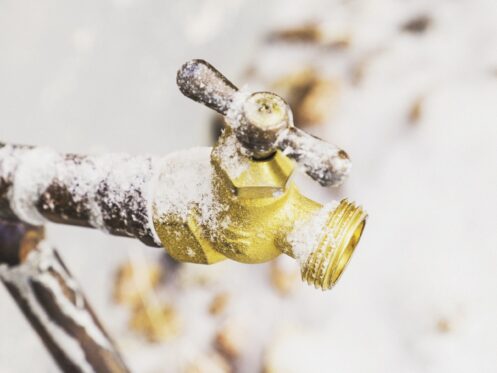
Water left in an outdoor spigot will freeze and damage the faucet. Before winter starts, disconnect the hose attached to the faucet and drain the spigot completely.
Then install covers to insulate the outdoor faucet. You can also use frost-proof hose bibs to keep them from freezing, breaking and needing repairs or replacement.
Leaky Seals and Fixtures
Cold winter temperatures can crack and shrink rubber plumbing seals. This damage then leads to plumbing fixtures, like leaky faucets and pipes in need of repair.
To mitigate these risks, inspect the rubber plumbing seals both inside and outside the home. Replace worn gaskets and washers.
Then, use a silicone-based cold-resistant sealant on them. Remember to check the seals regularly during the winter to ensure they are holding up well and do not show signs of cracking or shrinking.
Water Heater Failure
Cold weather strains your home’s water heater. It also increases the risk of the water heater using more energy than usual and malfunctioning.
To keep it running smoothly during the winter, flush out the sediment in the tank at least once a year. Insulate the heater and its surrounding pipework. If your water heater is more than 10 years old, consider upgrading to a new energy-efficient one.
Clogged Drains
Colder temperatures help solidify debris, such as grease, hair and food, inside the drains in your home in Round Lake. The clogs then prevent water from draining normally, raising the chances of it spilling out and damaging your floors and walls.
Do not pour grease down the drains and use drain strainers to prevent clogs. Likewise, flush the drains regularly with hot water or vinegar and baking soda to help break up and flush out residue inside them.
Moreover, remember to inspect and clean out the drain in the shower. Cold weather can also affect how well water flows down it. Remove debris like hair and soap scum regularly.
Avoid using products you can buy at the hardware or grocery store to resolve partial or complete clogs. Instead, contact Duane Blanton Plumbing, Sewer, Heating & Cooling to snake the shower drain.
Frozen Shower Valve
If the shower valve is located on an exterior wall, it can freeze and crack because of the frigid weather outside. If possible, relocate any plumbing fixtures in your home away from exterior walls.
If you cannot, add more wall insulation behind them to help keep them warm. Additionally, install an anti-scald freeze-protection shower valve.
Sump Pump Failure
Factors like overuse and frozen discharge lines can result in your sump pump failing. The sump pump comes in handy for keeping snowmelt out of your home.
Protect it during the winter by testing it monthly. Insulate the discharge lines with foam or heat tape. Install a battery backup system to keep it running even if you lose power during an ice or snowstorm.
Frozen Septic System
Septic systems are especially vulnerable to freezing during the winter in Northern Illinois. Low usage and frigid temperatures increase the chances of the septic tank and lines freezing.
To avoid this problem, add insulation over the septic system’s lines and tank. Do not compact snow in the drain field. Additionally, run warm water through the septic system regularly to prevent water and sewage from freezing.
Poor Dishwasher Draining
Cold air from the outside can back up in the drain lines of your dishwasher, solidifying the residue and creating clogs. Help your dishwasher run better during the winter by running hot water from the kitchen tap before starting the dishwasher.
Likewise, remember to insulate the drain hoses the same way you insulate other exposed pipes in the house. Check the dishwasher for venting and air gaps that can let in cold air and freeze water in the lines.
Low Water Pressure
Low water pressure is an inconvenient and urgent problem that you can prevent during the winter. Factors like ice buildup and partial freezing in the pipes are the most common culprits.
Avoid it by checking the main supply lines for ice. Insulate the pipes’ entry points, as well as the meter boxes. Use heat tape or pipe warmers to keep vulnerable pipes insulated and protected from frigid temperatures.
Ice Dams
Ice dams do more than damage the roof on your home. They can also block the plumbing vents.
The best way to prevent ice dams from forming is to ventilate and properly insulate your attic. Check the insulation and add new insulation if needed.
Additionally, install heat cables to keep the roof warm and prevent ice from forming dams. Clear snow and ice from the edges of the roof to help keep the plumbing vents open and functional.
Water Meter Freezing
If the water meter on your home is located in an unheated area, it has a higher chance of freezing and not working during the winter. Use insulation blankets to wrap the meter. You should also keep the utility room or basement heated and seal any gaps around the meter housing.
Slab Leaks
A slab leak can create another plumbing emergency during the winter. Ground shifting raises the risk of this problem.
Minimize it by installing a leak detection system. Also monitor for tell-tale indications, like warm spots on the floor or higher-than-usual water bills. Contact Duane Blanton Plumbing, Sewer, Heating & Cooling immediately if you suspect a foundation shift or notice other signs of a slab leak.
Your Round Lake Plumbing Team
At Duane Blanton Plumbing, Sewer, Heating & Cooling, we have 37 years of experience providing reliable plumbing services for homeowners throughout the Round Lake area. Our business offers 24/7 emergency plumbing services. We are an authorized local Carrier dealer with an A+ Better Business Bureau rating. Our team provides other services like leak detection, pipe repair and plumbing installations. We also have an MVP Customer Program with improved savings, exclusive member offers and faster and better service. Contact Duane Blanton Plumbing, Sewer, Heating & Cooling to prevent common winter plumbing problems.